
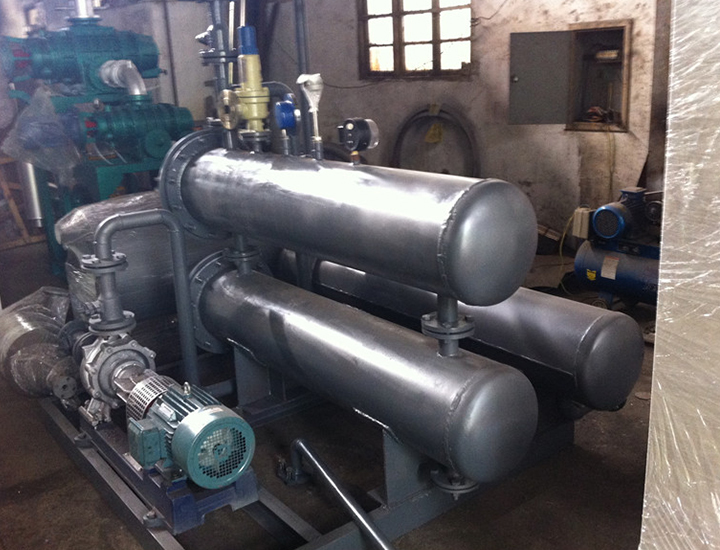
To ensure safe and reliable operation, the following environmental and electrical conditions must be satisfied:
Atmospheric Conditions
Relative humidity of the surrounding air shall not exceed 95%. The operating environment must be free of explosive or corrosive gases.
Voltage Control
Operating voltage shall not exceed 1.1 times the rated voltage. For protection against electric shock, the outer casing of the heating element must be securely grounded.
Electrical Integrity
Cold insulation resistance shall be ≥ 1 MΩ. Dielectric strength (withstand voltage) shall be tested at 2 kV for 1 minute without breakdown or flashover.
Note: If the above electrical criteria are not met, the equipment shall be taken out of service immediately.
The heating element must be firmly installed. The effective heating section must be fully immersed in the liquid medium or completely embedded in the solid metal. Dry heating is strictly prohibited, as it will cause immediate internal burnout and failure.
If scale buildup (in liquid) or carbon deposits appear on the tube surface, they must be removed promptly. Such deposits block heat dissipation, drastically shorten service life, and may cause tube rupture.
When heating fusible metals or solid materials such as nitrates, alkaline salts, bitumen, or paraffin:
Start operation at a reduced voltage. Power may be increased to rated voltage only after the medium is completely melted into a liquid state. This prevents localized overpressure and thermal stress damage.
For air heating applications, heating elements shall be arranged in a staggered or uniform distribution to ensure sufficient heat exchange, eliminate stagnant air zones, and allow effective surface cooling by airflow.
Special safety procedures shall be implemented when heating nitrate salts to avoid chemical instability or explosion risks. Redundant and high-precision temperature control systems must be provided.
Terminal Isolation
Wiring terminals shall be located outside the thermal insulation layer to avoid exposure to corrosive media, explosive gases, or moisture.
Thermal and Electrical Capacity
Lead wires must be capable of continuously sustaining the temperature and electrical load at the connection point.
Mechanical Handling
Do not apply excessive force when tightening terminal screws, to avoid damage to internal connections or ceramic seals.
Dry Storage
Heating elements must be stored in a dry, temperature-controlled environment.
Moisture Recovery
If insulation resistance drops below 1 MΩ due to prolonged storage, the elements must be dried in an oven at 200°C or operated at a reduced voltage until insulation resistance is restored to the standard value.
The magnesium oxide (MgO) filling at the terminal end is hygroscopic and absorbs moisture easily. The sealing structure must remain intact and free from water or contaminants at the installation site to prevent electrical leakage or short circuits.
Correct Electrical Connection
Heating elements must be used with suitable industrial connectors. Direct insertion of bare wires into power sockets is strictly prohibited, as this creates an extreme risk of short circuits and fire.
Power Management
Operators must disconnect the power supply when the equipment is unattended or not in use.
Flammable Materials
Energized heating elements must never be placed near combustible or flammable materials. A safe clearance distance must be maintained at all times to prevent fire hazards.