
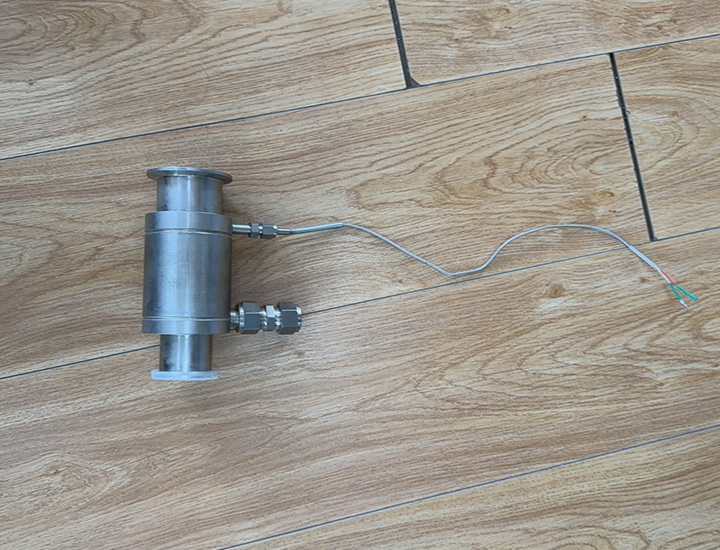
In electric heating systems, dry-firing describes an abnormal operating condition in which an immersion or inline heating element remains energized without sufficient heating medium, or when the liquid level drops below the effective heating zone.
Dry-firing is not a permissible operating mode but a severe system fault. In the absence of a heattransfer medium, the heater surface temperature rises rapidly and uncontrollably, leading to thermal runaway.
Prolonged dry-firing causes sheath oxidation, melting of the internal resistance wire, equipment burnout, and potential fire hazards.
2. Advanced Dry-Firing Protection Systems
Modern industrial heating systems are equipped with integrated safety devices to prevent damage caused by insufficient medium.
A reliable protection system must detect low-medium conditions and cut off power within a critical time window to avoid permanent damage.
For maximum safety, the system should include a manual reset or interlock function. Even if the temperature controller calls for heat, the heater must remain de-energized until the liquid level is restored and the fault is manually cleared.
Although many heating assemblies include low-level power-off features, system reliability depends on the stability of liquid-level sensors. Signal drift or sensor fouling may cause protection failure. Users should select high-precision, industrial-grade sensing components.
3. Maintenance Protocols for Heating Elements
To ensure long service life and safe operation, the following maintenance procedures must be implemented.
A. Environmental Control and Storage
Heating elements, especially cartridge and single-end heaters, must be stored in a dry, controlled environment. High humidity degrades internal insulation performance.
Power lead wires must be protected against mechanical stress, bending, and abrasion. Leads shall not be exposed to oil, grease, chemicals, or contaminants.
The ambient temperature at the lead terminals shall not exceed the rated limit of the insulation material, generally 450°C for high-temperature leads.
B. Operational Compliance
All heating operations shall be controlled by a calibrated temperature control system. Standard operating procedures must be followed to prevent unintended overheating.
Regularly inspect the heater surface for scale buildup, carbon deposits, or physical deformation.
C. Reconditioning and Dehumidification
Due to the hygroscopic nature of magnesium oxide (MgO) insulation, heating elements may absorb moisture during transportation or long-term storage.
If the measured insulation resistance drops below 1 MΩ, the element must not be operated at full voltage.
Elements with low insulation resistance shall be dried in a temperature-controlled industrial oven for several hours. Alternatively, they may be energized at a reduced voltage to gradually remove moisture and restore insulation performance before being placed into normal service.
Prevention of dry-firing and strict adherence to maintenance procedures are critical to the service life and reliability of industrial electric heating systems.By adopting stable sensing technology and following standardized storage, commissioning, and startup procedures, facilities can significantly reduce downtime and ensure a safe operating environment.